The Complete Fairfield, CA Hard Water Guide
What Fairfield’s water hardness actually means for your pipes, water heater, and appliances — and what you can realistically do about it.
Fairfield’s municipal water tests at 9.2 grains per gallon (GPG), which is classified as hard water. It comes from Lake Berryessa and Lake Oroville sources and carries a higher mineral load — mainly calcium and magnesium — than soft-water areas. Over time this builds scale inside water heaters, pipes, and appliances, and is the single biggest reason Fairfield homeowners deal with earlier plumbing failures than homes in soft-water regions.
What Does “9.2 GPG” Actually Mean?
Water hardness is measured in grains per gallon (GPG), based on the amount of dissolved calcium and magnesium in the water. Here’s how that scale breaks down:
- 0–3.5 GPG: Soft water
- 3.5–7 GPG: Moderately hard
- 7–10.5 GPG: Hard water
- 10.5+ GPG: Very hard water
At 9.2 GPG, Fairfield sits solidly in the “hard water” range — not the most extreme category, but firmly high enough to cause real, cumulative wear on plumbing and appliances over years of daily use.
What Hard Water Actually Does to Your Home
Hard water isn’t unsafe to drink or bathe in — the effects are mechanical, not health-related, and they show up gradually rather than all at once.
- Water heaters — mineral scale coats the heating element and tank floor, forcing the unit to work harder and typically cutting lifespan to 8–12 years instead of 12–15+
- Pipes and fixtures — scale narrows the interior diameter of pipes over time, which shows up as gradually dropping water pressure
- Dishwashers & washing machines — mineral buildup shortens appliance life and leaves spots on dishes and glassware
- Soap & shampoo — hard water reacts with soap to form a film, which is why skin and hair can feel different after washing
- Faucets & showerheads — visible white/chalky scale buildup around fixtures and drains
Signs You’re Dealing With Hard Water Damage
If you’re not sure whether hard water is already affecting your Fairfield home’s plumbing, these are the practical signs to look for:
White or chalky buildup around faucets and showerheads
This is mineral scale depositing as water evaporates on fixtures — one of the most visible early signs.
Water heater making popping or rumbling noises
Scale settling on the bottom of the tank creates trapped water pockets that boil and cause these sounds.
Reduced water pressure over time
Gradual scale buildup inside pipes narrows the interior diameter, slowly reducing flow.
Spots on dishes and glassware after washing
Mineral deposits left behind as water dries are a classic hard-water sign, especially in dishwashers.
What You Can Actually Do About It
Whole-Home Water Softener
The most effective long-term fix — a softener removes the calcium and magnesium before it reaches your plumbing and appliances.
Regular Water Heater Maintenance
Periodic tank flushing removes settled sediment and can meaningfully extend a water heater’s life even without a softener.
Know Your Home’s Age
Homes built 1978–1995 often have polybutylene piping, which is more vulnerable to the combined stress of hard water and age.
Common Questions About Fairfield’s Hard Water
Is Fairfield’s tap water safe to drink? Yes — hardness is a mineral-content issue, not a safety issue. Fairfield’s water quality report shows a B+ overall score with no unsafe contaminant levels.
Will a water softener fix low water pressure? If the low pressure is caused by scale buildup inside your pipes, a softener will stop it from getting worse, but existing buildup may need to be addressed separately — sometimes through repiping in severe cases.
How much does a water softener cost to install in Fairfield? Costs vary by system size and household demand; we can walk you through options and provide a written estimate specific to your home.
Water Softener Options for Fairfield Homes
| Type | How It Works | Best For |
|---|---|---|
| Salt-Based Softener | Ion exchange removes calcium & magnesium, replaces with sodium | Most effective for Fairfield’s 9.2 GPG hardness |
| Salt-Free Conditioner | Crystallizes minerals so they don’t stick to pipes, doesn’t remove them | Households wanting to avoid added sodium |
| Whole-Home Filtration + Softener | Combines hardness removal with sediment/chlorine filtration | Homes wanting both water quality and appliance protection |
Can You Test Your Own Water Hardness?
Yes — simple test strips from a hardware store can give you a rough reading, and they’re a reasonable way to confirm what you’re dealing with before deciding on a solution. For an exact number, we can test your water directly during a service visit and compare it against Fairfield’s published municipal water hardness of 9.2 GPG.
- Dip a hardness test strip in a sample of your tap water
- Compare the color change to the strip’s reference chart
- Note the GPG or PPM reading
- Anything above 7 GPG confirms hard water — which matches Fairfield’s municipal average
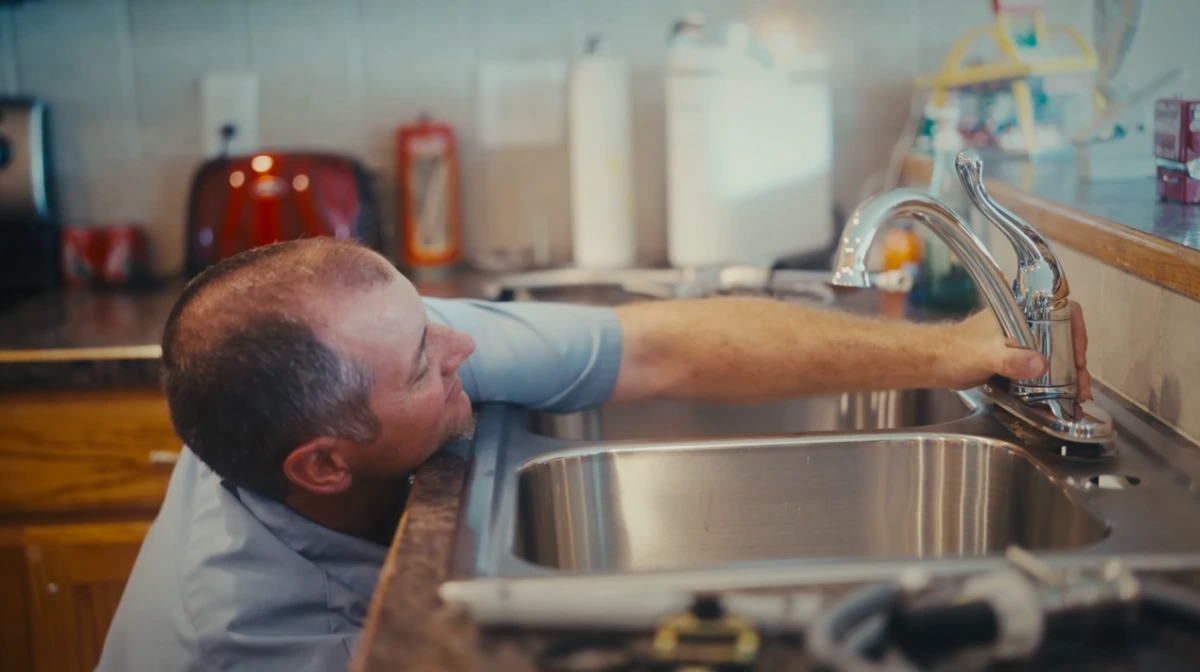
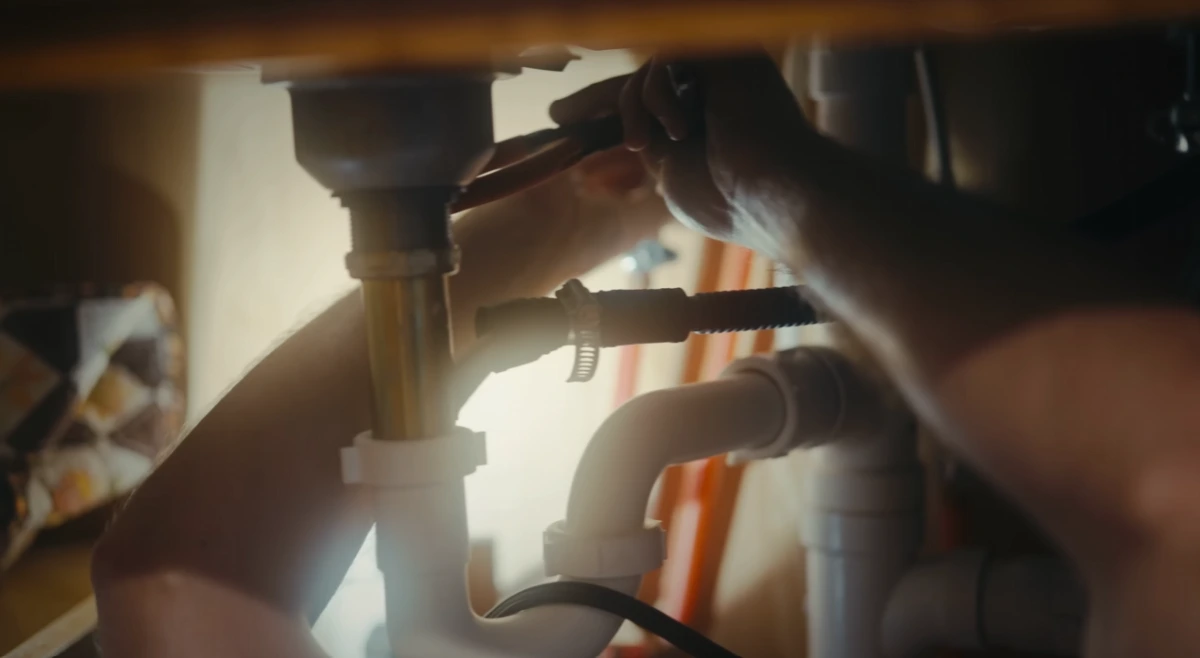
What Hard Water Damage Actually Looks Like
Where Fairfield’s Water Actually Comes From
Fairfield’s municipal water supply draws primarily from surface water sources, including Lake Berryessa and the State Water Project via Lake Oroville, delivered and treated through the Solano County Water Agency and the North Bay Regional system before reaching individual homes. Unlike groundwater, which picks up hardness minerals as it filters through rock and soil over long periods, Fairfield’s surface-water sources still carry a meaningful mineral load from the watershed and treatment process — which is part of why the city’s 9.2 GPG hardness reading sits solidly in the “hard” category rather than the “soft” range you might expect from a surface-water source.
It’s worth understanding that water hardness isn’t unique to Fairfield — much of the greater Bay Area and Central Valley deals with moderate to hard water depending on the specific source and treatment process. Fairfield’s reading is on the higher end of that regional range, which is exactly why hard-water-related plumbing issues come up as often as they do in local service calls.
The Chemistry Behind Hard Water Damage
Hard water damage isn’t mysterious once you understand what’s actually happening at a chemical level. Calcium and magnesium ions dissolved in the water don’t stay dissolved forever — when water heats up (as in a water heater) or evaporates (as on a faucet or showerhead), those minerals precipitate out and bond to the nearest surface, forming the chalky white deposit known as limescale. Inside a water heater, this happens continuously every time the unit heats water, which is why sediment and scale accumulate on the tank floor and heating elements specifically, rather than uniformly throughout your plumbing.
The same reaction happens at a smaller scale inside faucet cartridges, showerhead nozzles, and dishwasher spray arms — anywhere water either heats up or passes through a narrow opening repeatedly. Over months and years, that gradual mineral accumulation is what turns a smoothly operating fixture into one that drips, sticks, or loses pressure.
Appliance-by-Appliance: What Hard Water Actually Costs You
| Appliance | Typical Hard-Water Impact |
|---|---|
| Water Heater | Lifespan cut to 8–12 years vs. 12–15+ in soft water; reduced efficiency from scale insulating the heating element |
| Dishwasher | Spotting on glassware, reduced cleaning effectiveness, shortened pump and heating element life |
| Washing Machine | Reduced detergent effectiveness, mineral buildup in internal components, fabric feeling stiffer over time |
| Coffee Makers & Kettles | Frequent descaling needed, shortened appliance life, altered taste |
| Faucets & Showerheads | Reduced flow from clogged aerators and nozzles, visible scale buildup requiring regular cleaning |
| Pipes | Gradual interior narrowing over years, contributing to slowly declining water pressure |
Hard Water and Everyday Life: Beyond the Plumbing
The plumbing and appliance impact is the most costly consequence, but Fairfield homeowners often notice hard water in more immediate ways first. Soap and shampoo don’t lather as easily in hard water because the calcium and magnesium react with soap to form a sticky residue (sometimes called soap scum) instead of fully dissolving — this is the same film that shows up as a ring around a bathtub. That residue can leave skin feeling dry or slightly filmy after washing, and hair can feel more brittle or harder to manage, particularly for people with color-treated or chemically processed hair. None of this indicates a health problem — hard water is safe to drink and bathe in — but it’s a real, noticeable quality-of-life factor that a lot of Fairfield residents attribute to something else before learning it’s simply the water.
How to Read Your Fairfield Water Quality Report
The City of Fairfield, like all municipal water providers, publishes an annual Consumer Confidence Report (sometimes called a water quality report) detailing what’s actually in the water supply, including hardness levels, treatment methods, and any regulated contaminant readings. If you want to see the current numbers for yourself rather than taking a service call’s word for it, this report is publicly available through the city’s water utility. Hardness is typically reported in grains per gallon (GPG) or parts per million (PPM) of calcium carbonate equivalent — 1 GPG equals roughly 17.1 PPM, so if your report shows a PPM figure, dividing by 17.1 gives you the GPG number most water treatment guidance references.
The Long-Term Cost of Ignoring Hard Water
It’s easy to treat hard water as a cosmetic annoyance rather than a real cost, but the cumulative financial impact over a decade of homeownership is worth being honest about. A water heater replaced at year 9 instead of year 14 because of hard-water scale is a full replacement cost pulled forward by five years. A dishwasher or washing machine replaced early for the same reason adds to that. Reduced water heater efficiency from scale buildup also means higher energy bills for the same amount of hot water, a cost that’s easy to miss because it shows up gradually on a utility bill rather than as a single obvious expense. None of this is meant to be alarmist — it’s simply the honest math behind why a water softener, which has its own upfront cost, often pays for itself over time through avoided early replacements and lower energy use.
Common Questions About Fairfield’s Water Hardness
Is Fairfield’s water harder than nearby cities like Vacaville or Suisun City? Water hardness can vary by specific water source and treatment system even between neighboring cities; Fairfield’s 9.2 GPG reading is specific to its own municipal supply.
Does boiling water remove hardness minerals? Boiling can cause some temporary hardness minerals to precipitate out, which is part of why kettles develop visible scale, but it doesn’t meaningfully soften water for household use.
Will a whole-home softener affect my drinking water taste? Some people notice a slight taste difference from a salt-based softener; a separate reverse-osmosis system under the kitchen sink is a common way to address drinking water specifically if that’s a concern.
Can hard water damage a refrigerator’s ice maker? Yes — the same scale-forming process that affects other appliances can affect ice maker water lines and components over time.
Is 9.2 GPG considered very hard water?
It falls in the “hard” range (7–10.5 GPG) rather than the most extreme “very hard” category (10.5+), but it’s still high enough to cause meaningful cumulative wear on plumbing and appliances.
Where does Fairfield’s water come from?
Primarily surface water sources including Lake Berryessa and State Water Project deliveries via Lake Oroville, treated through the Solano County Water Agency system.
How can I verify my home’s actual water hardness rather than the citywide average?
We can test your water directly during a service visit, or you can use an inexpensive test strip from a hardware store for a rough at-home reading.
Does hard water affect the taste of drinking water?
Some people notice a mineral taste in hard water; it’s not a safety concern, though a water softener or separate drinking-water filtration system can address the taste specifically.
Choosing the Right Water Softener Size for Your Fairfield Home
Water softeners are sized by grain capacity — how many grains of hardness the system can remove before the resin needs to regenerate. Getting this right matters: an undersized system regenerates too frequently and wears out faster, while an oversized one costs more upfront than necessary. Sizing depends on three things: your household’s daily water usage, the number of people in the home, and Fairfield’s specific 9.2 GPG hardness level. A larger household with multiple bathrooms and daily laundry has meaningfully different needs than a smaller household, even at the same water hardness — which is why we size systems based on your actual home rather than a one-size-fits-all recommendation.
Combining a Softener With Whole-Home Filtration
A water softener addresses hardness specifically — calcium and magnesium — but it doesn’t filter out sediment, chlorine taste and odor, or other particulates that can also affect water quality and appliance life. Many Fairfield homeowners choose to combine a softener with a whole-home sediment or carbon filter, addressing both the hardness and general water quality in one system. This isn’t necessary for everyone, but it’s worth discussing if you’ve noticed chlorine odor, sediment, or general water quality concerns beyond just the hardness-related symptoms covered in this guide.
Hard Water Across Fairfield’s Neighborhoods
Since Fairfield’s 9.2 GPG hardness comes from the citywide municipal supply, it affects Downtown Fairfield, Cordelia, Green Valley, Rockville, Paradise Valley, and the Travis AFB area equally — there’s no neighborhood in Fairfield that’s exempt from it. What differs by area is how that hardness interacts with each home’s specific plumbing age and material. In downtown Fairfield’s older homes, hard water scale compounds with existing galvanized pipe corrosion. In newer Cordelia builds, hard water is the primary factor since pipe material issues are less common. Rockville’s semi-rural properties on well water may have different mineral profiles entirely, worth testing separately from the municipal reading this guide covers. Regardless of neighborhood, the appliance and fixture impact described throughout this guide applies broadly across Fairfield.
When to Call a Professional vs. Handle It Yourself
Some hard water maintenance is genuinely DIY-friendly — cleaning visible scale off a faucet aerator, descaling a coffee maker, or wiping down a showerhead with a vinegar solution are all reasonable homeowner tasks. Where it makes sense to bring in a professional is anywhere the scale has already caused a functional problem: a water heater that’s making noise or losing efficiency, a fixture that’s stopped working properly, or a decision about whether a whole-home softener is worth the investment for your specific situation. We’re happy to walk through your options honestly, including telling you when a DIY fix is genuinely sufficient rather than pushing a bigger solution than you actually need.
One more practical note: if you’re buying or already own an older Fairfield home, checking water hardness alongside pipe material and water heater age gives you a fuller picture of what to budget for over the next several years — these factors tend to compound rather than exist independently.