Drain Cleaning & Hydro Jetting in Fairfield, CA
Slow drains, recurring clogs, or roots in the line — we clear it and explain what caused it, instead of just snaking it and hoping it doesn’t come back.
Standard drain cleaning in Fairfield typically runs $150–$300 for a single clogged drain. If a drain keeps clogging after snaking, that’s usually a sign of root intrusion or a deeper blockage that needs hydro jetting or a camera inspection — not another round of the same fix.
Why Fairfield Drains Clog More Than You’d Expect
Fairfield’s older, tree-lined neighborhoods have a specific drain problem that newer subdivisions don’t: clay and cast-iron sewer laterals that are decades old, running under mature landscaping. Tree roots are drawn to the moisture inside these lines and can work their way into small cracks or joint separations, gradually restricting flow until a drain that used to work fine starts backing up regularly.
On top of that, Fairfield’s hard water contributes its own layer — mineral scale builds up along the inside of pipes over years, narrowing the space water actually has to flow through and making even small amounts of hair, grease, or soap scum enough to trigger a clog.
Signs You Need More Than a Basic Snake
- Same drain clogs again within weeks of clearing it
- Multiple drains slow at the same time
- Gurgling sounds from other fixtures when you run water
- Sewage smell near a drain or in the yard
- Water backing up into a tub or shower when you run the washing machine
- Older home in a tree-lined neighborhood with no drain history on file
Snaking vs. Hydro Jetting: What’s the Difference?
A drain snake punches a hole through a clog — it clears the immediate blockage but leaves buildup on the pipe walls, which is why the same drain often clogs again a few weeks later. Hydro jetting uses high-pressure water to scour the entire interior of the pipe clean, removing grease, scale, and root intrusion rather than just punching through it. For a one-off clog, snaking is often enough. For a recurring problem, hydro jetting is usually the fix that actually lasts.
Our Process
Diagnose First
For recurring clogs, we camera-scope the line to see exactly what’s causing it before recommending a fix.
Written Estimate
You’ll know the price and the method before we start — snake, jetting, or further investigation.
Clear It
Most single-drain clogs are resolved same visit. Hydro jetting and camera work may take a bit longer depending on access.
Basic drain cleaning starts around $150–$300. Hydro jetting and camera inspection for recurring issues typically run higher depending on access and line length.
Can tree roots really get into a sewer line?
Yes — roots are drawn to moisture and can enter through even hairline cracks or joint gaps in older clay or cast-iron lines, common in Fairfield’s older neighborhoods.
Do you offer camera inspections?
Yes, especially for drains that keep clogging — it lets us see the actual cause instead of guessing.
Is hydro jetting safe for older pipes?
In most cases yes, though we’ll assess pipe condition first — severely deteriorated pipe may need repair rather than jetting.
What NOT to Put Down Your Fairfield Drains
Most recurring clogs we see in Fairfield homes trace back to a handful of everyday habits. Avoiding these is often cheaper than any repair:
- Cooking grease or oil (it hardens as it cools and coats pipe walls)
- Coffee grounds (they don’t break down and compact over time)
- “Flushable” wipes (they don’t actually break down like toilet paper)
- Eggshells and fibrous produce scraps in garbage disposals
- Hair without a drain catcher in showers and tubs
- Excess soap scum buildup (worse with Fairfield’s hard water)
Recommended Drain Maintenance Schedule
| Drain Type | Recommended Check |
|---|---|
| Kitchen sink | Every 6–12 months, more often with a garbage disposal |
| Bathroom sinks & tubs | Annually, or sooner if slow draining starts |
| Main sewer line (older homes) | Camera inspection every 2–3 years for homes with mature trees nearby |
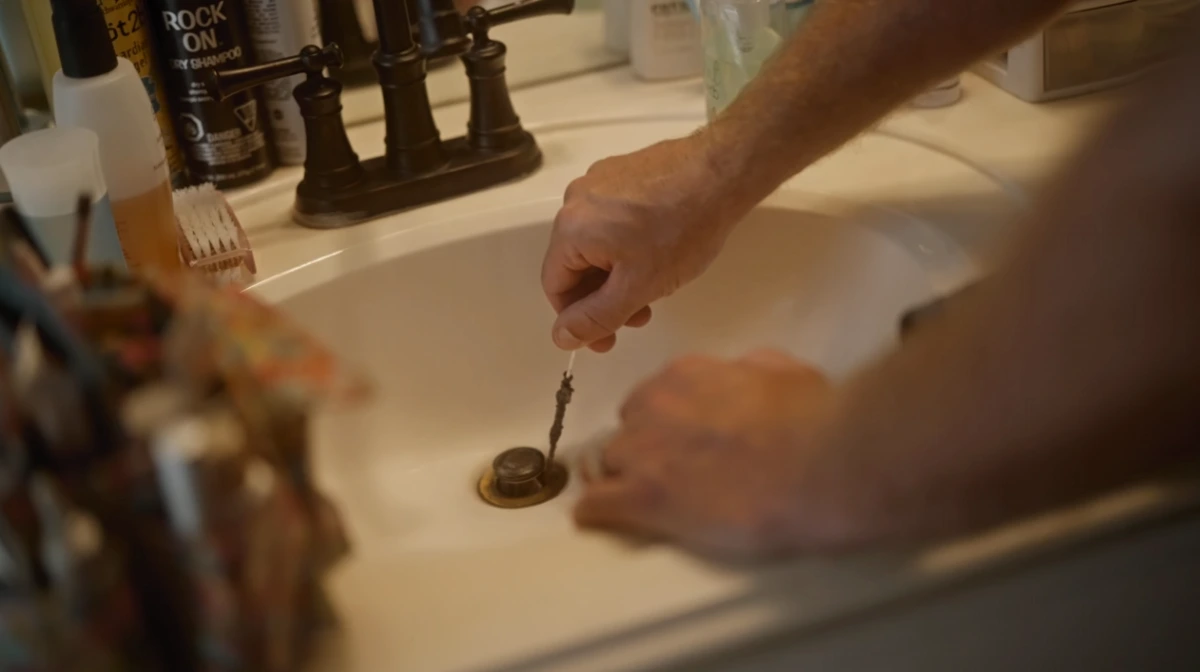
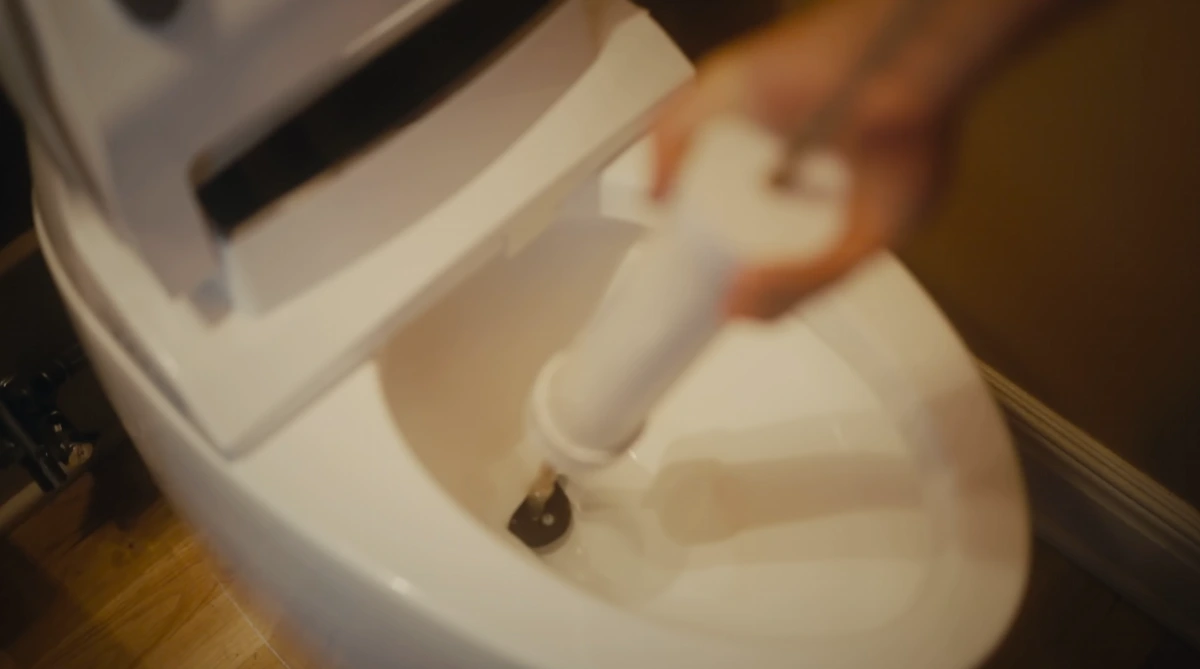
Before & After: Drain Cleaning in Fairfield
How Drain Clogs Actually Form Over Time
A clog rarely happens all at once — it’s almost always the result of gradual buildup that finally reaches a tipping point. In a kitchen drain, grease that goes down warm and liquid cools and solidifies as it travels through the pipe, coating the interior walls a little more with each use until the opening narrows enough to trap food particles and other debris. In a bathroom drain, hair combines with soap scum — itself worse in Fairfield’s hard water, since minerals react with soap to form a stickier residue than they would in soft water — to create a mat that catches more hair and debris over time. By the time a drain is visibly slow, that buildup process has usually been underway for weeks or months, which is part of why a single snaking sometimes doesn’t fully resolve a longstanding clog on the first attempt.
The Role of Fairfield’s Older Sewer Infrastructure
Beyond individual drain clogs, Fairfield’s broader sewer infrastructure plays a role in how often certain neighborhoods deal with drainage issues. Older parts of the city — particularly downtown and other established neighborhoods with mature street trees — often still have original clay or cast-iron sewer laterals connecting individual homes to the municipal main. These materials, now decades old in many cases, are more prone to developing small cracks or joint separations than modern PVC, which creates entry points for tree roots and additional restriction points where debris can accumulate. This is distinct from an individual fixture’s drain clog — it’s a main-line issue that affects the whole house rather than a single sink or tub.
Hydro Jetting: A Closer Look at How It Works
Hydro jetting uses a specialized nozzle connected to a high-pressure water hose, fed into the pipe and pulled back through while spraying water at pressures typically ranging from 1,500 to 4,000 PSI depending on the pipe material and the job. The nozzle sprays both forward, to break through blockages, and backward at an angle, which scours the full interior circumference of the pipe as it’s pulled back — removing grease, scale, and root intrusion from the pipe walls rather than just punching a channel through the center of the clog the way a snake does. This is why hydro jetting produces a genuinely clean pipe interior, not just a temporarily cleared path, which is the core reason it holds up longer against recurring clogs than snaking alone.
Not every pipe is a good candidate for jetting at full pressure — older, more fragile pipe can be damaged by aggressive jetting, which is exactly why we camera-inspect first on any line with a history of problems. Confirming pipe condition before jetting protects the pipe while still getting the thorough cleaning that makes jetting worthwhile.
Camera Inspection: What We’re Actually Looking For
A sewer camera inspection feeds a small, waterproof camera on a flexible cable through the drain or sewer line, transmitting a live video feed we can view in real time. We’re looking for several specific things: the location and severity of any blockage, whether tree roots have intruded through a crack or joint, whether the pipe itself shows bellying (a low spot where the pipe has settled and now holds standing water and debris), and the general condition of the pipe material — whether it’s clay, cast iron, PVC, or something else, and how much wear is visible. This inspection is what separates an educated repair recommendation from a guess, and it’s part of why we lead with camera work on any drain that’s clogged for the second or third time rather than just snaking it again and hoping for a different result.
Preventing Clogs Before They Start
- Run hot water for 30 seconds after using the kitchen sink to help flush grease through before it cools and hardens
- Use a drain catcher in showers and tubs to keep hair from entering the pipe
- Avoid flushing anything other than toilet paper, including “flushable” wipes
- Have older homes’ sewer laterals camera-inspected every 2–3 years if mature trees are nearby
- Address slow drains promptly rather than waiting for a full blockage
- Consider a whole-home water softener to reduce soap-scum-related buildup
Drain Issues by Fixture Type
Kitchen sinks most often clog from grease and food particle buildup, sometimes compounded by a garbage disposal that’s grinding material finer without actually helping it clear the pipe. Bathroom sinks and tubs typically clog from hair and soap scum accumulation, worse in Fairfield’s hard water. Toilets that clog repeatedly, especially with normal use, sometimes point to a partial blockage further down the line rather than an issue with the toilet itself. Floor drains and laundry lines can clog from lint, sediment, and — in older systems — general age-related buildup that’s gone unaddressed for years.
Common Questions About Drain Cleaning in Fairfield
How can I tell if my clog is isolated or a main-line issue? If multiple drains are affected at once, or a drain gurgles when you run water elsewhere in the house, that points to a main-line problem rather than a single fixture issue.
Is hydro jetting safe for a 1960s clay sewer line? It depends on the pipe’s current condition — we camera-inspect first to confirm the pipe can handle jetting pressure without risking damage to already-weakened sections.
How long does a typical drain cleaning appointment take? Most single-drain cleanings are completed within an hour; camera inspections and hydro jetting for main-line issues can take longer depending on line length and access.
What’s the difference between a drain clog and a sewer line clog?
A drain clog affects one fixture; a sewer line clog affects multiple fixtures at once since it’s downstream of where individual drains combine.
Can I use chemical drain cleaners before calling you?
We’d recommend against it — chemical cleaners can damage older pipes and make it harder for us to safely diagnose and clear the actual blockage.
How often should I have my drains professionally cleaned?
Kitchen drains benefit from attention every 6–12 months, especially with a garbage disposal; other drains are typically fine on an as-needed basis unless you have a known recurring issue.
Does hydro jetting remove tree roots completely?
Jetting clears roots from the pipe interior effectively, though if the root entry point (a crack or joint gap) isn’t repaired, new root growth can eventually re-enter the same spot.
Drain Cleaning Patterns Across Fairfield Neighborhoods
Like most plumbing issues, drain problems in Fairfield vary somewhat by neighborhood based on housing age and landscaping. Downtown Fairfield and other established areas with mature trees tend to see more sewer-lateral root intrusion calls, given the age of the underlying clay and cast-iron infrastructure common in that part of the city. Green Valley, another neighborhood with significant tree canopy, follows a similar pattern. Newer construction areas like Cordelia are less prone to root-related sewer issues since the piping is younger and typically PVC, though individual fixture clogs from grease, hair, and soap scum happen regardless of a home’s age or location — those are usage-driven, not infrastructure-driven, and affect every neighborhood in Fairfield about equally.
What to Expect During a Drain Cleaning Appointment
Describe the Problem
Tell us which drain is affected, how long it’s been slow, and whether it’s a first-time or recurring issue — this shapes our approach before we even arrive.
Initial Assessment
For a first-time single-drain clog, we typically start with snaking as the most direct fix. For recurring issues, we’ll recommend a camera inspection first.
Clear the Line
Using the method appropriate to what we find — snaking for a straightforward clog, hydro jetting for buildup or root intrusion.
Confirm and Explain
We test the drain to confirm it’s clear and explain what we found, including whether it’s likely to recur and why.
Garbage Disposals and Kitchen Drain Health
Garbage disposals are common in Fairfield kitchens, and they’re a frequent contributing factor in kitchen drain clogs when used incorrectly. A disposal grinds food waste into smaller particles, but those particles still need to be flushed through the pipe with adequate water flow — running the disposal with too little water, or grinding fibrous foods like celery or corn husks that create stringy material, can contribute to buildup further down the line rather than actually preventing it. Coffee grounds and eggshells are particularly common culprits; despite common belief, they don’t “clean” the disposal blades and instead often just add to sediment buildup in the drain line. If your kitchen sink has been clogging more often since getting a disposal, the way it’s being used — not necessarily the disposal itself — is worth a look.
When a Slow Drain Is Actually a Warning Sign
A single slow drain is usually just that — a localized clog worth clearing. But a pattern of slow drains developing across your home over a period of weeks, especially if they’re on lower floors or in fixtures closest to the main sewer connection, can be an early sign of a developing main-line issue rather than several unrelated individual clogs. It’s worth mentioning this pattern when you call, since it changes how we approach the diagnosis — rather than treating each drain separately, we’d want to check whether they share a common downstream cause.
Rental Properties and Drain Maintenance
For Fairfield landlords, drain issues are one of the most common tenant maintenance requests, and they’re also one of the easiest to prevent with a bit of proactive attention between tenants. A quick drain cleaning and camera check during a move-out turnover can catch a developing issue before a new tenant moves in and blames the property for a problem that was already building. If you manage multiple rental properties in Fairfield, we’re happy to work directly with you on a schedule that fits your turnover timeline rather than treating every drain issue as a one-off emergency call.
We can also flag any pipe-material or age-related concerns we notice during a routine drain visit — useful information for a landlord planning ahead rather than reacting to the next emergency call.
Whether you’re an owner-occupant or managing a rental, the same underlying causes apply across Fairfield — grease and hair buildup in fixture drains, and root intrusion or aging pipe in main sewer lines. Understanding which one you’re dealing with is the first step to a fix that actually lasts rather than a temporary patch that leaves the same problem to resurface a few months later.
If you’re dealing with a drain issue right now, give us a call — we’ll help you figure out which category it falls into before recommending a fix.